How the First Christians Actually Met
If you could attend a gathering of the very first Christians, you would not recognize much of what we now call “going to church.” There was no auditorium, no stage, no sermon delivered to a silent audience, no offering plate passed toward a building fund. There was a home, a shared meal, and a room full of people who all took part. For anyone wondering what faith looks like outside the modern institution, the earliest model is the most reassuring place to start.
The original blueprint
Luke gives us a short, vivid description of how the first believers lived together:
“And they continued stedfastly in the apostles’ doctrine and fellowship, and in breaking of bread, and in prayers… And they, continuing daily with one accord in the temple, and breaking bread from house to house, did eat their meat with gladness and singleness of heart.” — Acts 2:42,46
Four simple things: teaching, fellowship, shared meals, and prayer — carried out “from house to house.” It was relational and ordinary, woven into daily life rather than confined to a Sunday performance.
Everyone took part
Perhaps the biggest difference from a modern service is that the early gatherings were participatory. There was no single performer and no passive crowd:
“How is it then, brethren? when ye come together, every one of you hath a psalm, hath a doctrine, hath a tongue, hath a revelation, hath an interpretation. Let all things be done unto edifying.” — 1 Corinthians 14:26
Everyone brought something. The aim was mutual building-up, not a program to be consumed.
Meals, not a sacrament show
The “breaking of bread” was an actual meal eaten together — so much so that Paul had to correct the Corinthians for treating it carelessly, with some going hungry while others overate (1 Corinthians 11:20–21). The Lord’s Supper began at a dinner table, among friends, not as a brief ritual at the front of a hall.
Homes, not buildings
For its first few centuries the church met in houses. The letters are full of greetings to these home gatherings — “the church that is in their house” (Romans 16:5), “the church which is in his house” (Colossians 4:15). A handful of people in a living room was the church, fully and without apology.
What it looked like in practice
- Small gatherings in homes, built on relationships rather than attendance numbers.
- A shared meal at the center, not a stage.
- Everyone contributing — a teaching, a psalm, a prayer, an encouragement.
- Mutual care: “exhorting one another” and bearing one another’s burdens (Hebrews 10:24–25).
- No professional clergy class, no salaries, no building fund.
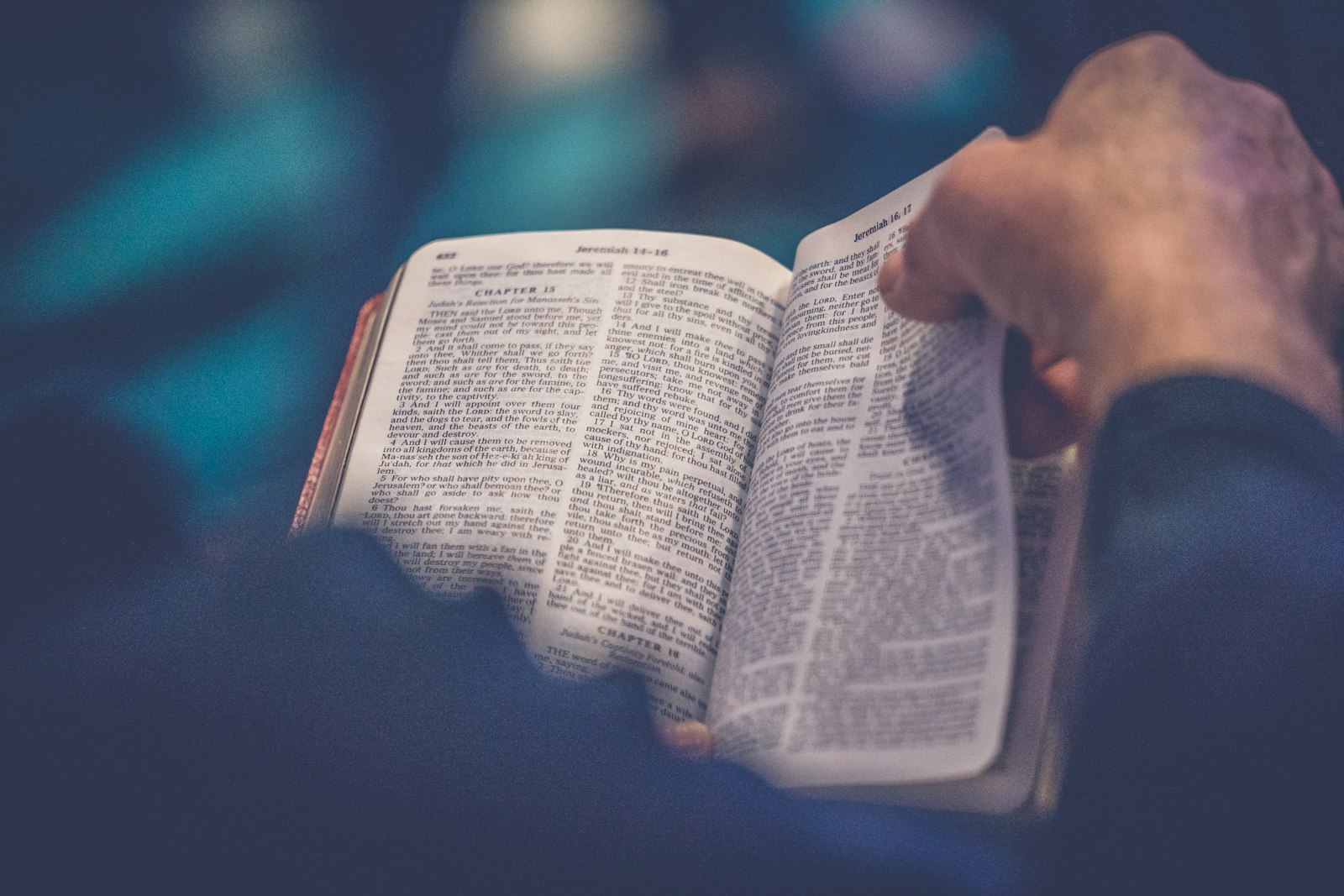
None of this requires permission, a payroll, or a property. If you have left an institution but still long for genuine fellowship, the oldest pattern is also the simplest: a few believers, a table, an open Bible, and honest prayer. That is not a lesser, makeshift church. By the New Testament’s own description, it is the real thing.