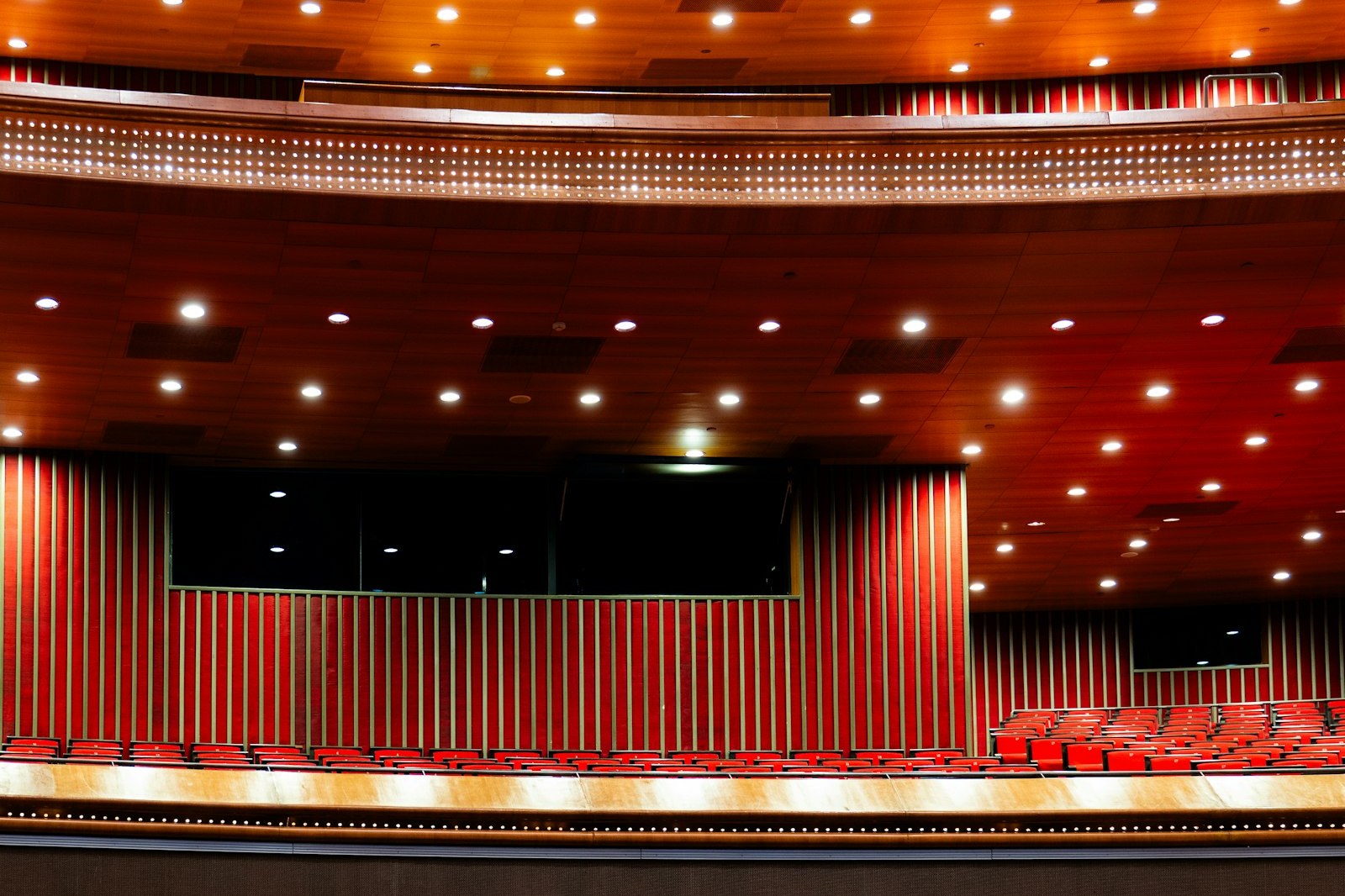
The Building Fund: A House God Never Asked For
Drive past almost any growing church and you will eventually see the banner: a capital campaign, a thermometer chart, a appeal to “give sacrificially” toward a new sanctuary, a gymnasium, a parking structure, a second campus. The building fund is one of the most familiar features of modern church life. It is also one of the strangest, once you set it beside the New Testament — because the church Jesus founded owned no buildings at all.
The campaign that never ends
For many congregations the building is the single largest expense they will ever carry. Mortgages stretch across decades. Maintenance, utilities, insurance, and renovation consume a remarkable share of every dollar placed in the offering plate. And the campaign is rarely finished: the new wing creates the need for new staff, the larger space invites a larger budget, and within a few years there is another appeal. Members are told that the building is “for the Kingdom.” It is worth asking, gently, whether the Kingdom ever asked for it.
A God who does not live in buildings
The conviction that God dwells in a special structure is old, and Scripture confronts it directly. When Stephen stood before the council, the climax of his defense was a flat statement that God is not housed in architecture:
“Howbeit the most High dwelleth not in temples made with hands; as saith the prophet, Heaven is my throne, and earth is my footstool: what house will ye build me? saith the Lord.” — Acts 7:48–49
Paul said the same thing to the philosophers at Athens — that the Maker of heaven and earth “dwelleth not in temples made with hands” (Acts 17:24). And Jesus told the woman at the well that the whole question of where was about to dissolve:
“Woman, believe me, the hour cometh, when ye shall neither in this mountain, nor yet at Jerusalem, worship the Father… But the hour cometh, and now is, when the true worshippers shall worship the Father in spirit and in truth.” — John 4:21,23
Where the early church actually met
The first Christians did not build churches. They met in homes, around tables, sharing meals. The word “church” in the New Testament never refers to a building; it refers to the people. Again and again the letters greet congregations that gathered in someone’s house:
- “Greet the church that is in their house.” — Romans 16:5
- “Aquila and Priscilla salute you much in the Lord, with the church that is in their house.” — 1 Corinthians 16:19
- “Salute… Nymphas, and the church which is in his house.” — Colossians 4:15
- “To the church in thy house.” — Philemon 2
For roughly the first three centuries this was simply how it was done. The grand cathedrals, the steeples, the “sanctuaries” came later — and with them came the costs, the campaigns, and the slow shift of a congregation’s attention from people to property.
What the money was meant for
In the early church, the resources of God’s people flowed toward people in need — widows, orphans, the poor, brothers and sisters in hardship. Set that beside a modern budget where the majority of giving services a building, and the contrast is hard to miss. None of this means a congregation that owns a building is doing something wicked; a place to gather can be a genuine help. But when the structure becomes the mission — when “the church” comes to mean an address rather than a people — something has quietly been lost.
For a growing number of believers, the endless building fund is one more sign that the institution has confused the container for the contents. They have not stopped loving God or His people. They have simply concluded that He never asked for the house in the first place.