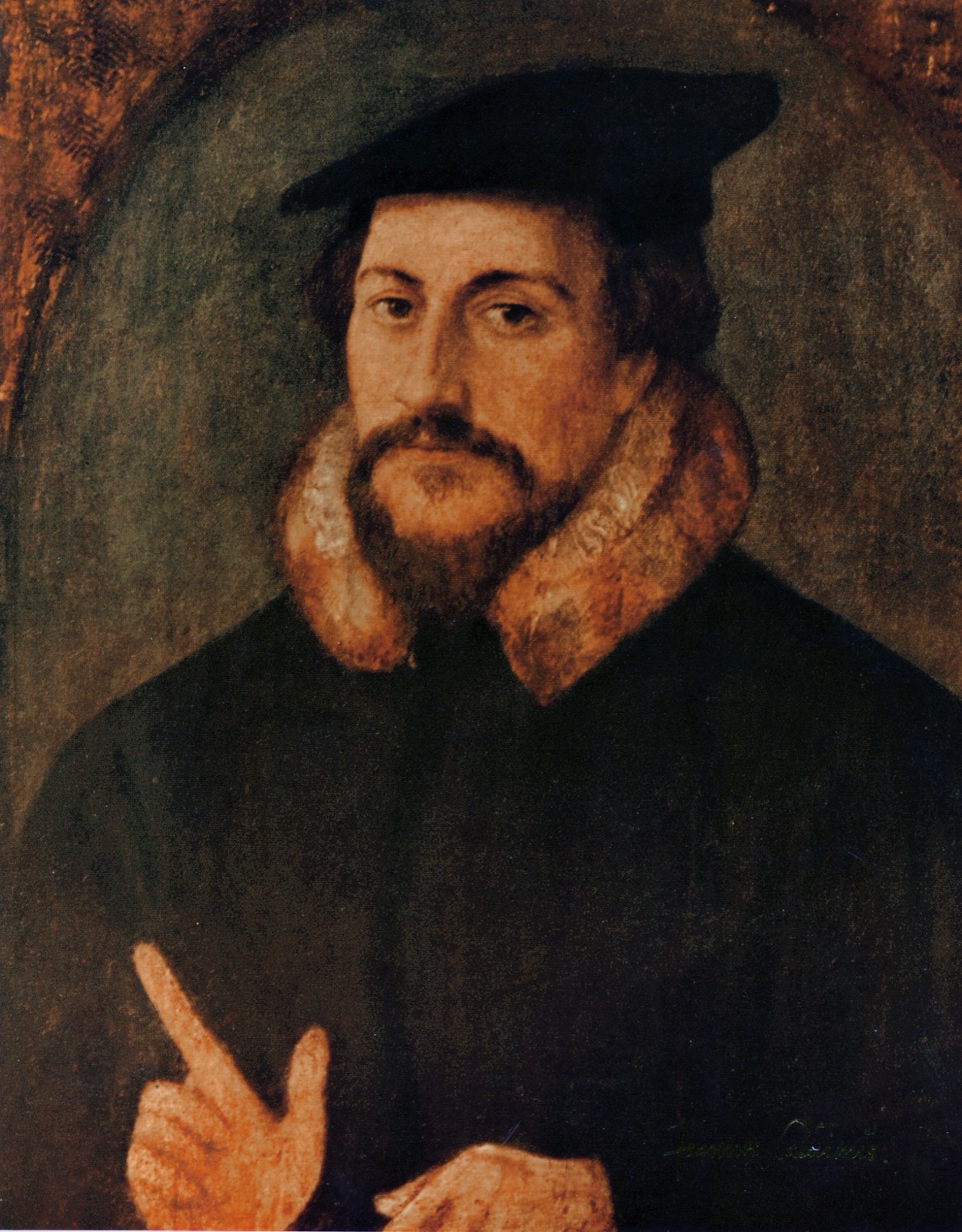
Calvinism – The Fallacy of Predestination and Reformed Theology
Calvinism — also called Reformed Theology, and known popularly by its best-known feature, predestination — has been spreading rapidly through Evangelical and Protestant churches, and it is one of the quieter reasons people are leaving them. For many who encounter it, the teaching raises questions they cannot reconcile with the God they thought they knew.
What Calvinism teaches
At its core, Calvinism holds that before the foundation of the world, God chose certain people to be saved. This choice — called election — is not based on anything those people would ever do. It rests entirely on God’s sovereign right to save whom He will and to pass over the rest. In this view, those not chosen are left to an eternal hell with no possibility of being saved, a destiny settled before they were ever born.
The system follows from there with a hard logic:
- A person who was chosen cannot do anything to forfeit heaven.
- A person who was not chosen cannot do anything to gain it.
- When it comes to salvation, there is no free will in the ordinary sense.
- And no human effort — including evangelism — can change a destiny that was fixed before time began.
That last point is where many people stop short, because it has obvious consequences for the church’s mission. If the saved and the lost were both settled in advance, the urgency behind sharing the gospel and supporting missions naturally cools.
The trend, and the numbers
This is not a fringe movement. Reformed theology has steadily worked its way into seminaries, which are now producing Calvinist pastors in large numbers. By some counts, roughly one in three graduates of Southern Baptist seminaries identifies as Calvinist. Many of these young pastors take positions in congregations that did not knowingly call a Calvinist, and the church’s existing members often do not realize the shift until it is well underway.
The pattern that tends to follow is consistent: churches that move in this direction generally become less evangelistic, more inward-looking, and smaller — smaller in part because many members are simply not comfortable with the theology once they understand it. Over the same period that Reformed theology has spread, giving to missions has fallen to record lows and missionaries have been recalled from the field in large numbers.
Why it troubles so many believers
For a great many Christians, the sticking point is not God’s sovereignty — they affirm that gladly — but the claim that God creates specific people for the express purpose of condemning them, with no possibility of rescue. That picture is difficult to square with passages that describe God’s heart toward the lost:
“The Lord is not slow in keeping his promise, as some understand slowness. Instead he is patient with you, not wanting anyone to perish, but everyone to come to repentance.” — 2 Peter 3:9
Verses like this one, along with “God our Savior, who wants all people to be saved” (1 Timothy 2:3–4) and the familiar “whosoever” of John 3:16, lead many to conclude that the invitation of the gospel is genuinely open to all. Whether one ultimately agrees with Calvinism or not, this is a real and reasonable disagreement, and it is not a small one.
Why people leave
When committed believers come to feel that the gospel being preached in their church is fundamentally different from the one they understood — and especially when they sense the change was introduced without candor — many do not stay to fight about it. They simply leave, and often they do not come back. For some, this single issue is enough.
If you are wrestling with this, it is worth studying the question carefully and for yourself, rather than accepting either side by default. It is one of the most consequential matters in all of theology, and it deserves more than a secondhand answer.